Notes on tech partnerships, revenue, and relationships.
Field notes for people who run technology partnerships: how to pick partners, how money moves, how to ship the listing. Not a newsletter of logos.
Page 1 of 19
What a partner audit actually covers
A partner audit is not a slide deck. It is a two-week readout: ranked shortlist, commercial motion, and the first shared job worth building.
Read →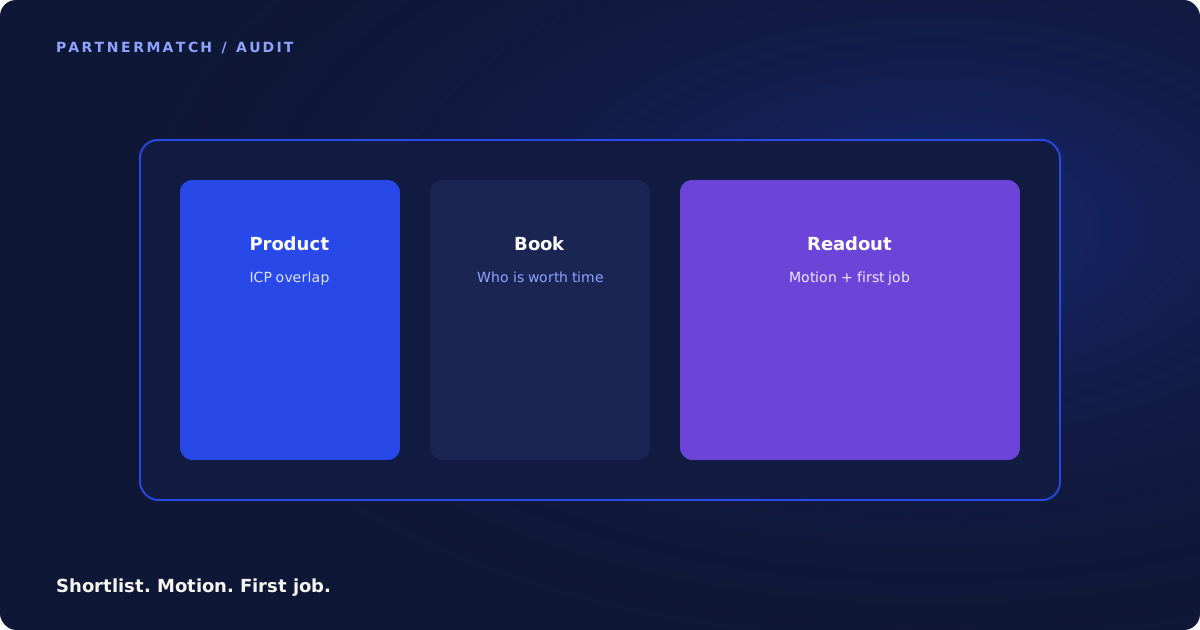
A partner channel needs three parts, not a logo
A technology partnership becomes a growth channel only when relationship, commercial model, and a customer workflow exist at the same time.
Read →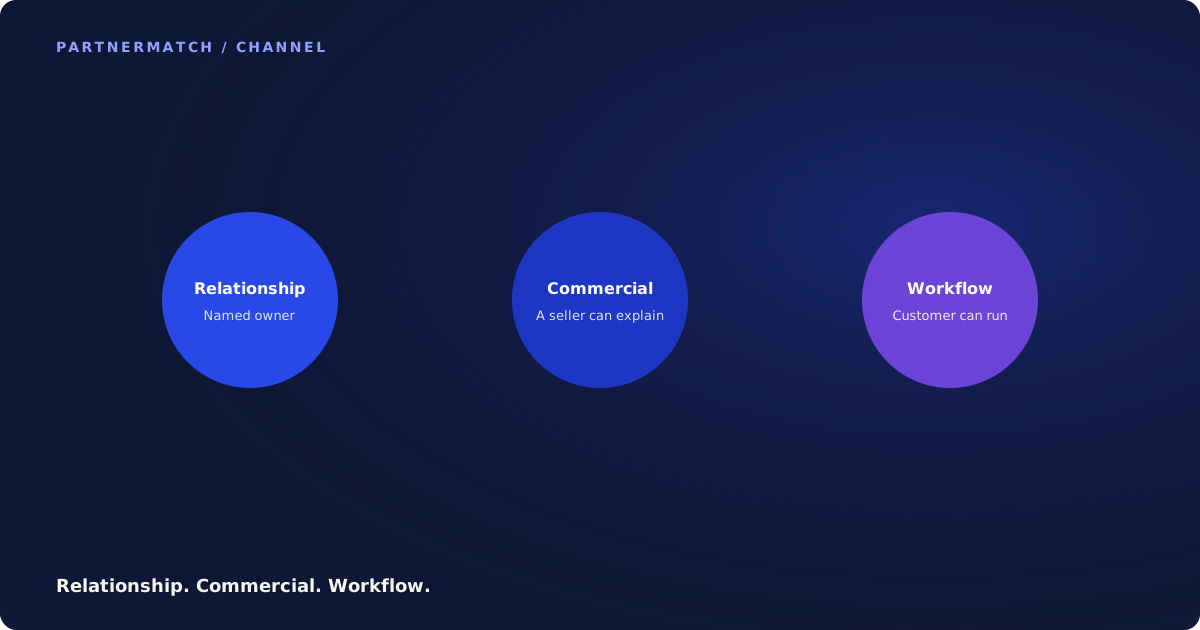
Your partners page is not a growth channel
A partners page is a catalog. A channel is sourced pipeline, a motion a seller will run, and a workflow a customer can install.
Read →
Scope the shared job before you write the plugin
The partnership is the job the two products do together. The plugin, API, or marketplace app is only the surface that makes that job real.
Read →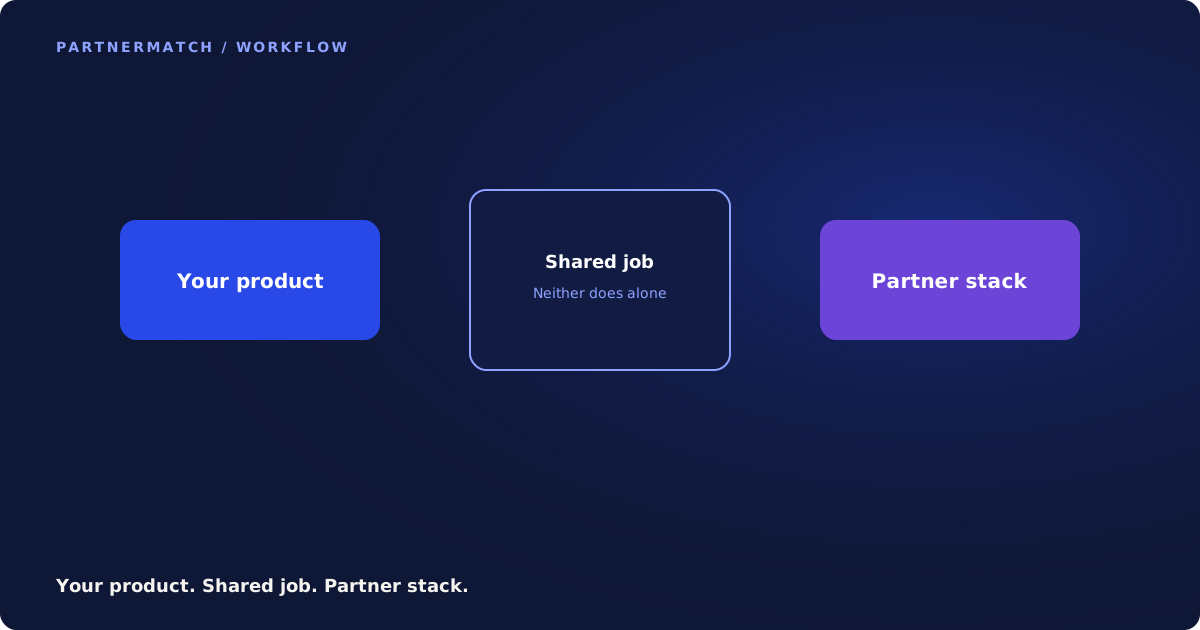
Commercial terms a field seller will actually run
If a seller cannot explain how they get paid, they will not mention you. Design referral, co-sell, or revenue share as a sentence, then as a payout.
Read →
How to rank a partner shortlist without a 40-logo slide
Rank partners by customer overlap, a job you can ship, and a motion a seller will run. Drop the rest. A shortlist is a decision, not a collage.
Read →
What a 90-day partner channel build actually ships
Ninety days is enough to rank the book, land intros, agree a motion, and put a workflow in production. It is not enough to collect logos.
Read →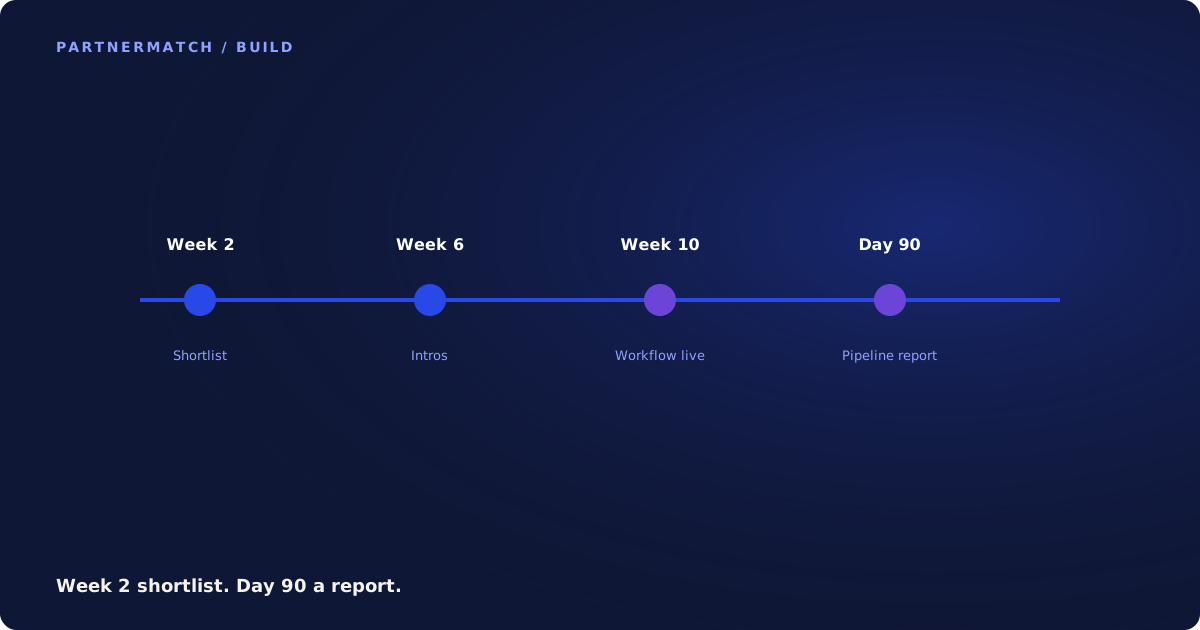
Engineering waits on sales. Sales waits on engineering.
The classic partnership deadlock: product will not build until a deal is real, sales will not mention the partner until there is a demo. Break it with a scoped job and one owner.
Read →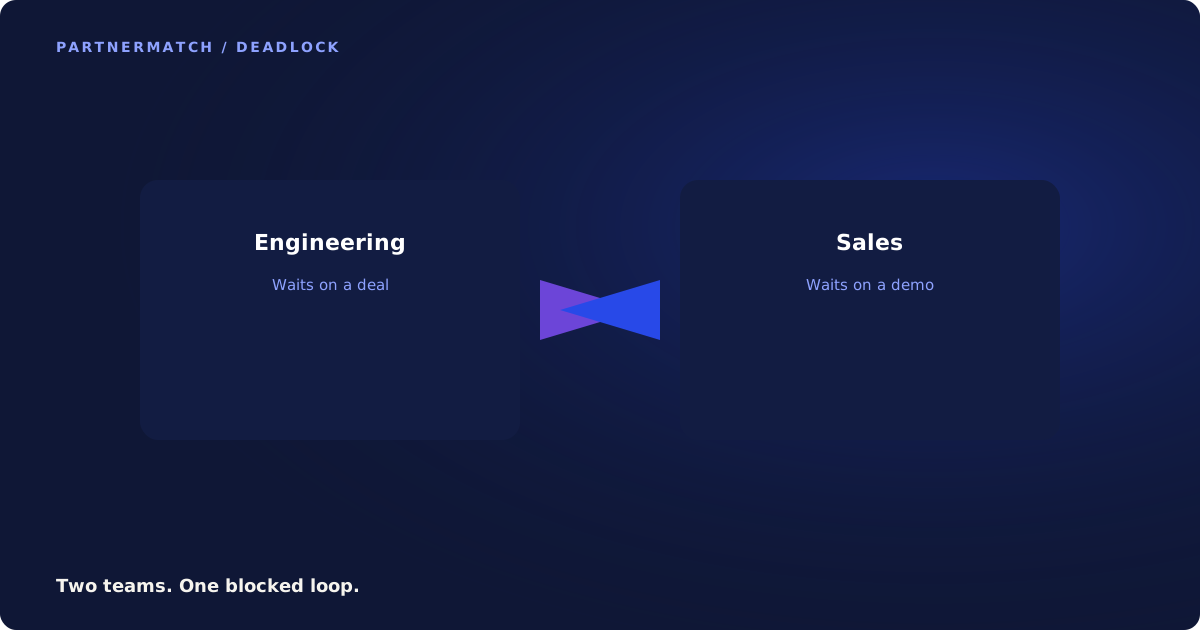
How to put partnerships on the forecast without lying
A channel you cannot attribute is a hobby. Sourced versus influenced, deal registration, and a number finance will defend.
Read →
Run a partner channel before you hire a partner manager
A hire without a method spends a year in decks. Rank the book, agree a motion, ship one workflow, then hire someone to run what already exists.
Read →
How to become a technology partner of a larger platform
An independent guide to becoming a technology partner of a larger platform: product proof, shared customers, listing, and relationship, without invented program terms.
Read →
Better-together campaigns for technology partners
How to run a better-together campaign for a tech partnership: one workflow story, a landing page, a webinar, and a sales one-pager, without a big team.
Read →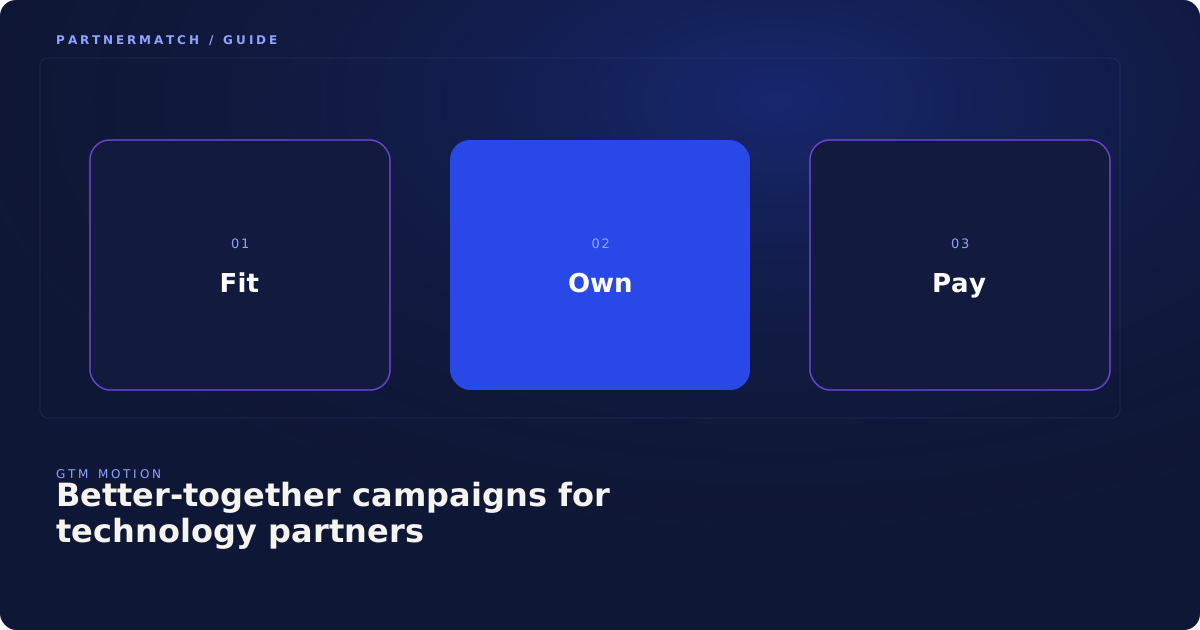
Co-marketing vs co-sell: which partner motion to run first
Co-marketing and co-sell produce different things and cost different amounts. Sequence them after a live integration, or you are marketing air.
Read →
Complementary vs competitive partners: drawing the line
How to tell complementary from competitive technology partners: category overlap, customer perception, co-opetition, and using your partner ICP to stay honest.
Read →
Customer introductions as partner currency
Why named shared customers are the strongest opener with a technology partner, and how to ask customers for introductions without being extractive.
Read →
How to write a partner case study customers will believe
How to write a technology partner case study: a shared customer, a workflow before and after, real permission, and a home on your site, theirs, and the marketplace.
Read →
Building a partner referral program on top of a live integration
How to build a technology partner referral program: simple terms, tracking, payout, and why referrals fail when there is no product story to send.
Read →
Who supports the customer when a tech partnership breaks
Who supports the customer when a technology partnership breaks: L1 and L2, escalation, status page, and what to put in the agreement before the first outage.
Read →
Partnership due diligence: what to check before you commit engineering
Partnership due diligence for B2B SaaS: API health, program maturity, legal terms, customer overlap, and security posture, plus a short checklist before you build.
Read →